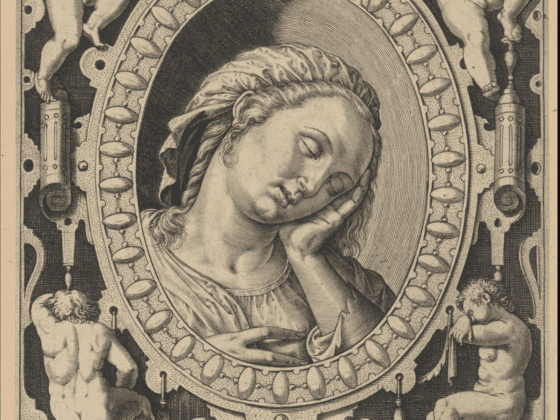
I kept a diary when I was young, and called it “A Record of Regrets.” 163 In it, I logged the mistakes that I made each day. Not a day passed when I didn’t commit 20 or 30 gaffes. There was no end to what I had to document because of my incessant blundering, so I eventually stopped. Now, when I reflect on each day before retiring, there is not one that is free of slip-ups in word and action. Indeed, it seems that a perfect day is impossible to pull off. Men who wriggle their way through life relying on their talents will fail to grasp this.

Hagakure: The Secret Wisdom of the Samurai(p. 116)| Yamamoto Tsunetomo
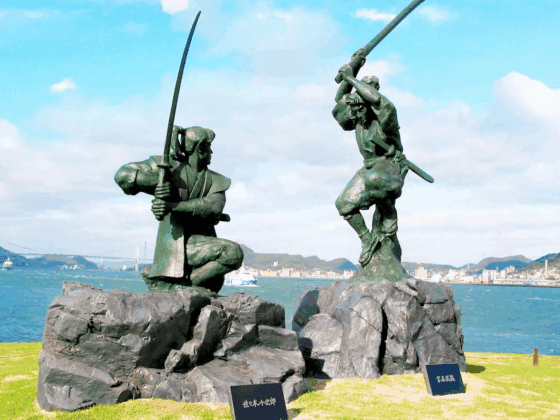
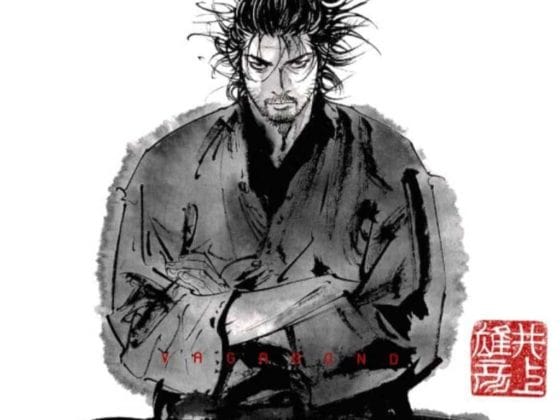
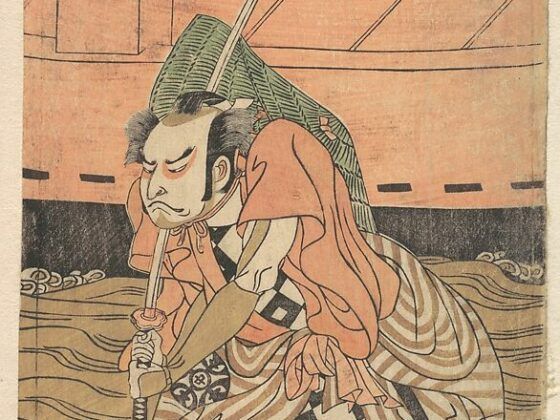
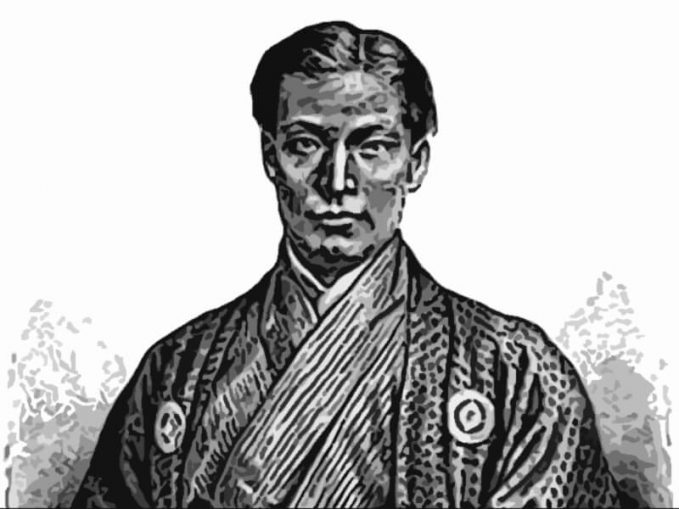
Yamamoto Tseunetomo was a samurai clerk during Japan’s Edo period from roughly 1603 to 1868. He wrote the Hagakure around 1716, later in his life, once he became a monk. The Hagakure is the secret wisdom of the samurai, made public.
Tseunetomo carried a diary in his beginning years as a retainer, logging all of his mistakes and regrets. He stopped recording when he observed a pattern of continual mistakes made daily.

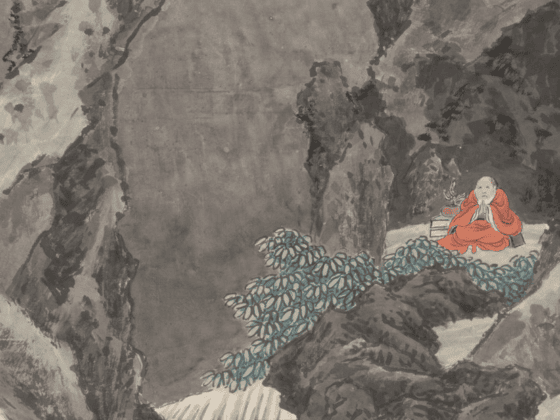
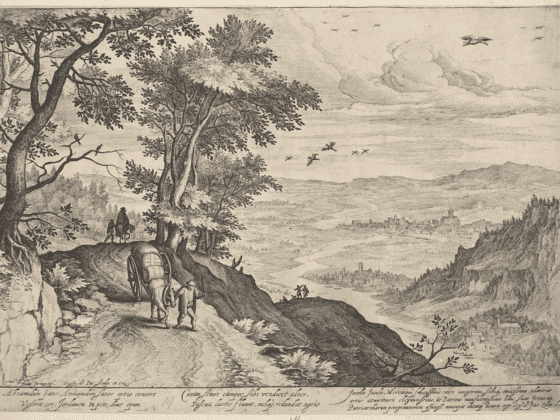
Even at the level of mastery he obtained, he still made mistakes in both words and deeds, leading him to understand that perfection, or “true mastery,” is impossible to obtain. Wanderers pursuing mastery are pursuing the horizon; you will never reach the horizon, but by wandering towards it, you live a fulfilled life.
Mastery is an illusion, a mirage to pursue that provides fulfillment; the wanderer must understand that fulfillment comes from the pursuit, the lifestyle, not reaching the horizon, which cannot be reached, no matter how far one walks because there is always more path to go.
Markers that show how far you have gone are nice to reflect back on, but wanderers must keep their eyes forward because fulfillment requires walking towards the horizon of mastery.
Mastery marker examples:
- Scars
- Awards
- Belts
- Photographs
- Core memories
A wanderer walking towards the Oasis is what hydrates, not reaching the Oasis, which serves as a compass, not a point on the map.
The pursuit of mastery is the pursuit of inner peace. At a large enough scale, the pursuit of mastery ends external conflict, as each individual wrestles with their unique internal conflict.
Illusion of the perfect day
You will make numerous mistakes every single day. Even the most disciplined of samurai retainers did. You must console your spirit on this fact.
Having a perfect day is impossible. This is because mastery is the path, not the end, because there is no end to mastery. You see the mountain, but you never reach the peak of no mistakes because the mountain, the end, is a mirage. The pursuit of mastery is the path to fulfillment, not a destination to reach fulfillment.
Tseunetomo stopped journaling his mistakes after it became tedious to document, defaulting to reviewing mistakes of word and action each day before retiring for the day. Tseunetomo reviewed his mistakes as part of his codified night routine.
If you can journal your mistakes as they happen, carrying around a notebook and pencil like this Moleskine and this pencil, do so. Or, consider adding a review of your mistake during your night routine to further pursue mastery.
Relying on talent
Talent is innate. It does not grow. Individuals are born with different talent gifts. Sometimes they find them, sometimes they don’t.
Talent is an opportunity you take advantage of; take advantage of all opportunities presented to you from birth, and on the path to travel farther.
Talent is something a wanderer captures, not something a wanderer improves. This is why you must never rely on talent, but at the same time, never waste it.
Discipline is consistent and always available; talent is inconsistent and unreliable.
You can follow in the footsteps of the Samurai by keeping a record of your regrets and mistakes. Add this as an entry to your personal code. If you don’t have a code yet, start with the Andreia code, take what resonates with your spirit, and delete the rest.
By keeping a record of your regrets and mistakes, you avoid repeating them as much as humanly possible.
The Hagakure is worth reading. Pick up a copy for cheap here.
related Hagakure content: