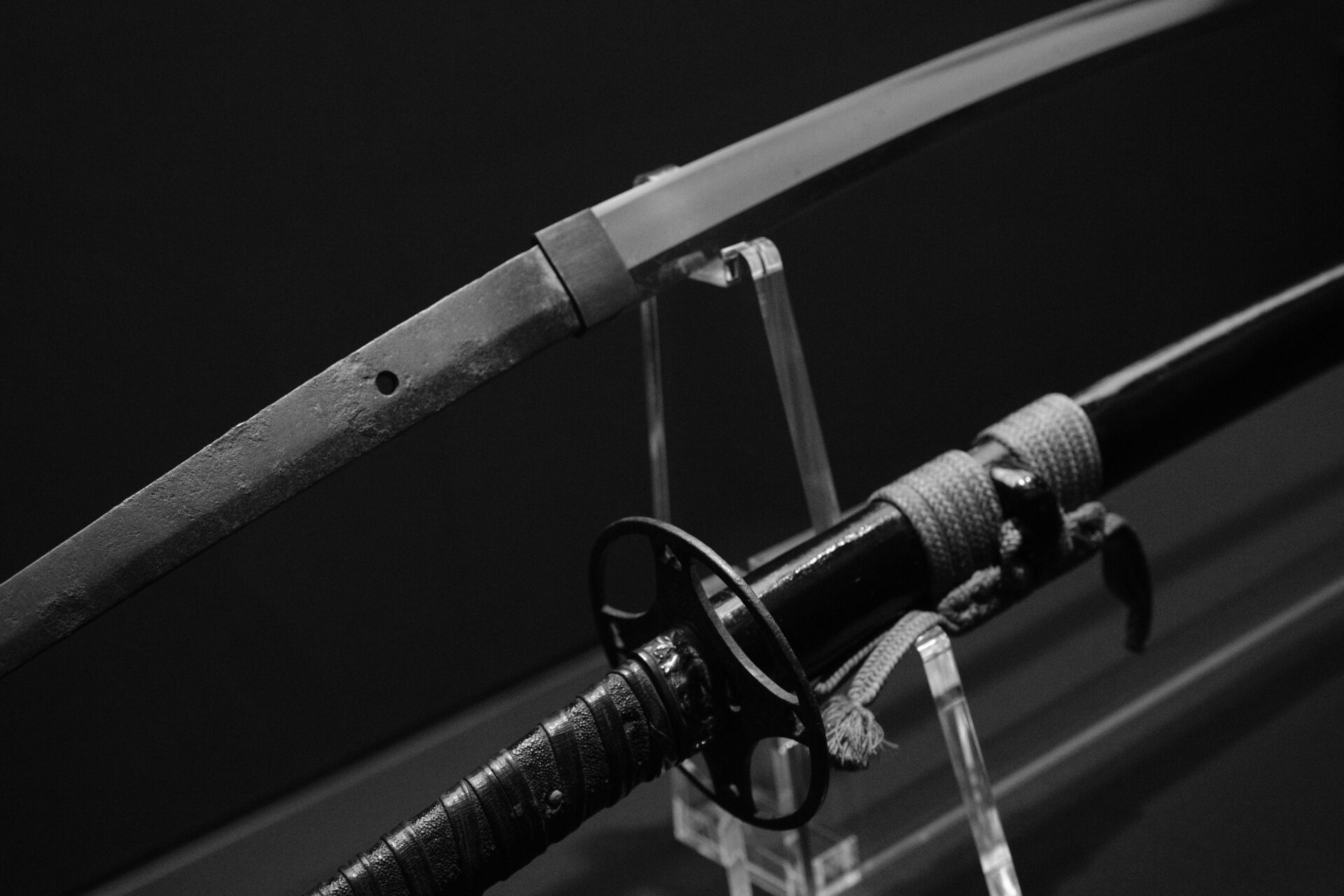
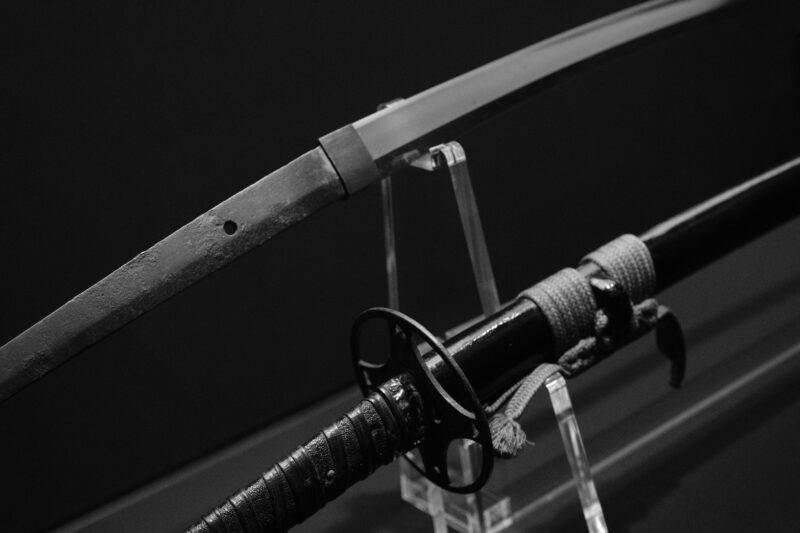
“You should not select a Tsuba(handguard) based simply on how well it will prevent you from getting cut. Further, a thick undecorated hand guard should be rejected out of hand.
When selecting a hand guard ensure that there are some decorative holes that pass all the way through it. A strong blow from an opponent’s sword striking a solid mass of metal without any holes may cause the vibrations to crack the pin holding the handle together. However, too many openings will result in blood dripping over your hand.”
Tsukahara Bokuden | The Hundred Rules of War
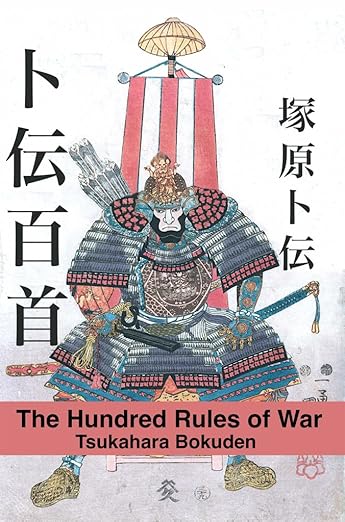
This rule is number 25 in The Hundred Rules of War. Tsukahara Bokuden did not write The 100 Rules of War himself; the book is a fragmented collection of his teachings compiled by modern authors.
Bokuden was born in the year 1489 during the Sengoku period, which lasted from 1467 to 1603. For reference, Musashi was born in 1584, shortly after Bokuden’s death in 1571. Musashi’s birth corresponds to the late Sengoku and early Edo period.
Similar to Musashi, Bokuden fought in around 60 duels and is a legendary samurai.
Functional Aesthetics are ideal in all situations. Lazy and selfish is the person who rejects aesthetic enhancements to function.
Function should always come first, but without aesthetics, there is no passion, no vigor, no beauty given as inspiration to yourself and others. No Spirit. No flavor to the food.
High function in itself can be aesthetic but not always.
Cultures that balance aesthetics and function thrive. Periods where imbalances exist between aesthetics and function are not as productive or as spiritually fulfilling.
Misery is the life of extreme function; suffering is the life of extreme aesthetics.
Too much aesthetic causes physical and mental pain, which function prevents. Aesthetics increases spirit, which supports body and mind.
Aesthetics is art. By providing aesthetics through whatever path you pursue mastery, you are giving the gift of beauty to the world.
Some view aesthetics as a threat to their spirit. They look at beauty as something that can not be obtained. Those who view aesthetics as a threat, who hate beauty, do so because they hate themselves and believe that aesthetics are a reminder of their lack of it.
Aesthetics exist to inspire. This is what aesthetic beauty does to a healthy spirit. To an unhealthy spirit, aesthetics are a reminder of the ugliness of the unconditioned, uncontrolled, unnurtured, and uninspired spirit. To the individual with self-love and love for his fellows, aesthetics is encouragement.
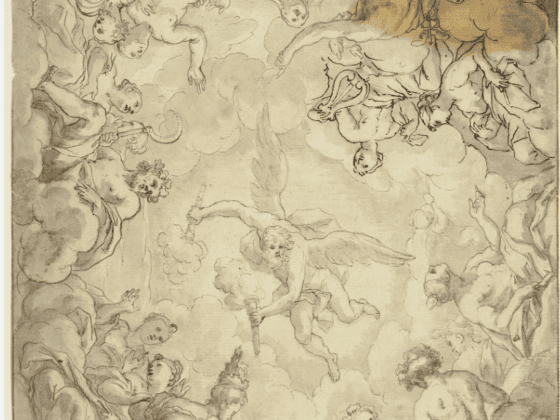
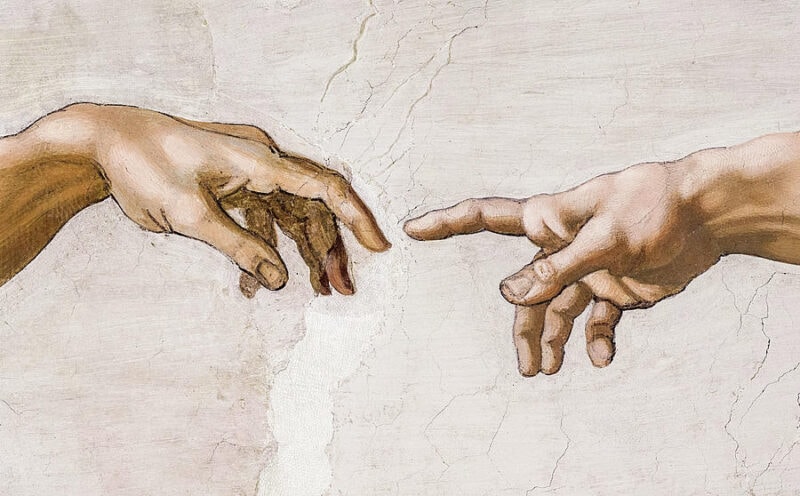
Michelangelo could have painted a ceiling. But there was no beauty in a plainly painted ceiling, only function. He created a functional ceiling with deep aesthetic beauty because he loved his creator and desired to express that love through beautiful and divine creation.
Hanging pictures on walls, or adding wallpaper, is functional aesthetics.
You should hang or display art that speaks to your spirit in locations you routinely spend time in.
Individuals create aesthetics because they love life and seek to inspire the self, the self being the individual creating, as well as all other individuals. Rejecting aesthetics is rejecting the beauty contained in all things.
A healthy society worships and appreciates beauty, growth, and greatness. A sickly society worships and appreciates vice and the pursuit of pleasure.
Humanity’s purpose is to pursue fulfillment through mastery, knowing that mastery is an illusion that provides an infinite destination.
Beauty is not a threat to those who do not have it, but a reminder that all can reach beauty and greatness. When we say beauty and greatness, we do not mean a beautiful person who was born pretty; a physically unattractive person can be more beautiful than a physically beautiful person.
Beauty means the development of the self, walking down the path, and the virtue of the individual. Beauty of Body, Mind, and Spirit(BMS)
Be cautious of those who are threatened by beauty or aesthetics.